Forklifts, as core material - handling equipment in logistics, are widely used in ports, chemical industries, warehousing, and other scenarios. However, in work environments involving flammable and explosive substances, explosion - proof measures are an uncrossable safety red line —— behind this lie 3 critical risk - triggering logics, directly related to personnel and asset safety.
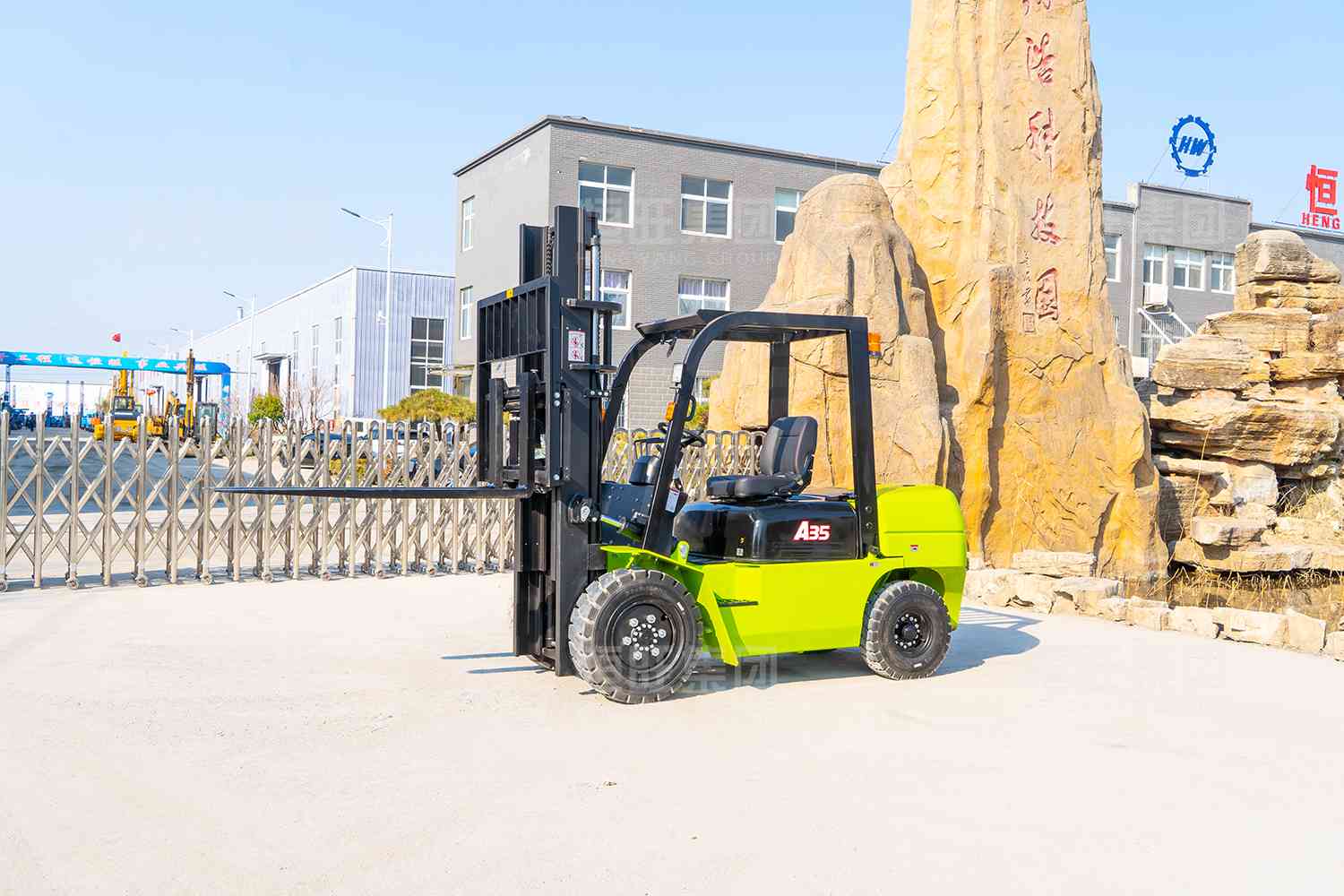
1. Leakage Risk Loop in Hazardous Chemical Scenarios
In industries like petroleum, chemicals, and pharmaceuticals, forklifts handle flammable solvents, explosive intermediates, and similar materials. During operations:
These leaked substances mix with air to form an “explosive mixture”. Once the concentration hits the explosive limit, risks surge sharply.
2. Ignition Source Hazards of Forklifts
During forklift operations, multiple components become potential ignition threats:
In an environment with explosive mixtures, any single ignition source can directly trigger an explosion.
3. Safety Value of Explosion - Proof Forklifts
Ordinary forklifts lack explosion - proof designs; using them in hazardous chemical scenarios is like “bringing a flame into a gunpowder warehouse”. Explosion - proof forklifts break the risk chain via 3 key modifications:
Only explosion - proof forklifts balance efficiency and safety in hazardous material handling.
Core Conclusion
In hazardous chemical scenarios, the “leakage risks + inherent ignition sources” of forklift operations naturally create explosion conditions. Ordinary forklifts must be replaced with explosion - proof ones to eliminate ignition risks at the source —— this is the only way to ensure operational safety.